
What Modular Cabinetry Actually Means
Modular cabinetry uses standardized components that can be configured to fit your space. Think of it as a system of interchangeable parts: base cabinets, wall units, drawers, and specialty pieces that work together. Manufacturers build these units to consistent specifications, which keeps quality high and lead times shorter than fully custom work.
This is not the same as stock cabinetry from big box stores. Modular systems from quality manufacturers offer dozens of finishes, hardware options, and internal configurations. The difference lies in flexibility. You select from proven components rather than designing every joint from scratch.
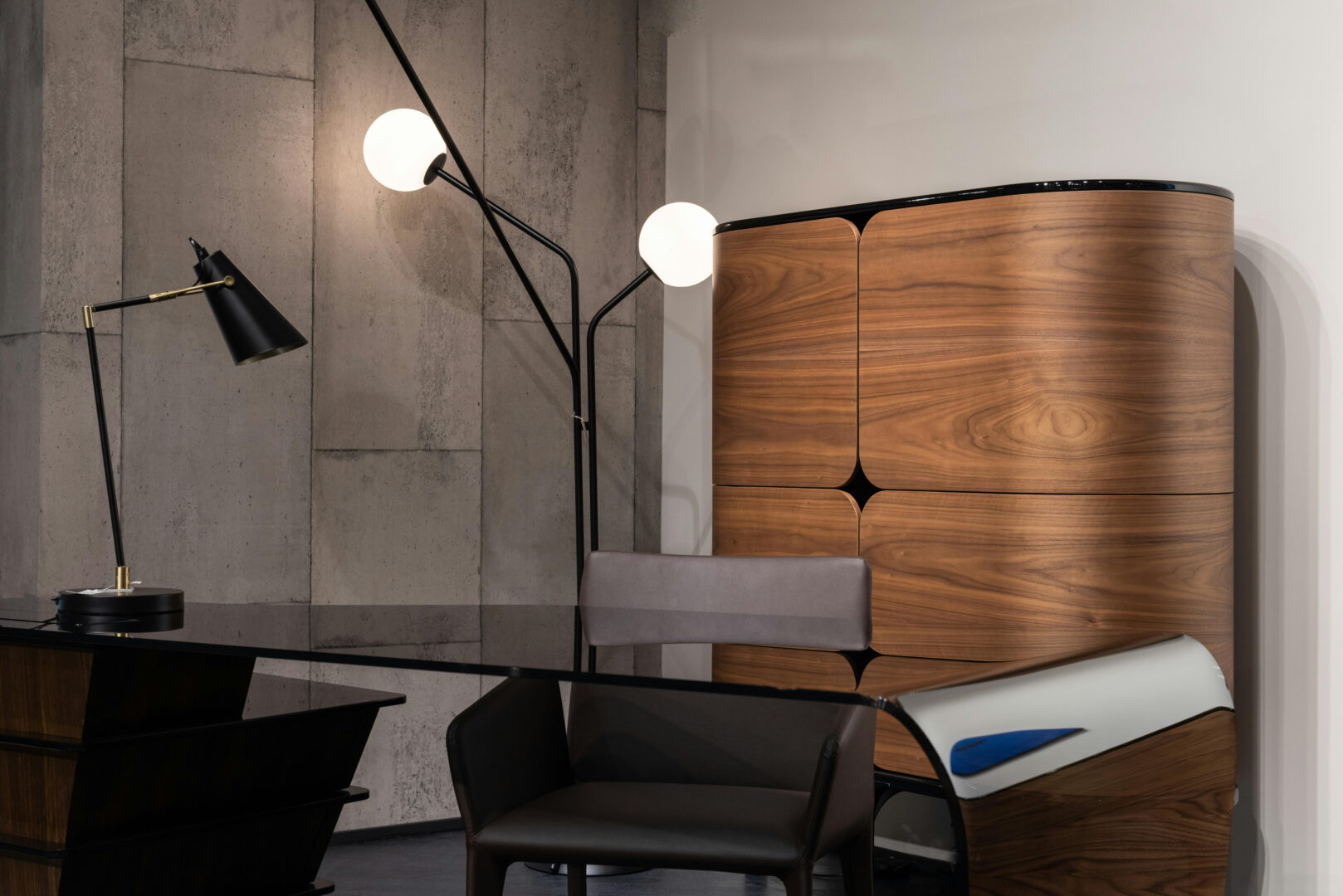
When Modular Makes Sense
Modular cabinetry works well when your space follows standard dimensions. Most kitchens and bathrooms do. A skilled designer can combine modules to create a look that appears fully custom at a lower price point.
Modular also wins on timeline. Because components follow established specifications, production moves faster. If your renovation has a firm deadline, modular helps you hit it.
Budget matters here too. Modular systems typically cost 20-40% less than fully custom work for comparable materials and finishes. That savings can shift dollars toward better countertops, fixtures, or appliances.
When to Go Fully Custom
Some spaces demand custom solutions. Older Memphis homes with unusual ceiling heights, angled walls, or non-standard room dimensions often fall into this category. When every inch matters, custom fabrication lets you maximize storage in spaces that would otherwise go to waste.
Custom also makes sense for specific design requirements. If you want a furniture-quality piece with hand-applied finishes, traditional joinery, or materials not available in modular systems, custom is the path.
Expect longer lead times with custom work. Fabrication takes weeks, sometimes months, depending on complexity. The investment pays off in pieces that fit your space and style precisely.
Questions to Ask Your Designer
Before committing to either approach, get clear answers on a few points:
What’s the realistic timeline? Modular typically ships in 4-8 weeks. Custom can run 12-20 weeks depending on the shop and scope.
What finishes and materials are available? Review actual samples, not just catalog images. Wood grains, paint sheens, and hardware finish differently across manufacturers.
How will we handle the non-standard areas? Even in modular projects, filler panels and custom pieces may be needed for corners, soffits, or unusual angles.
What’s the installation process? Professional installation matters for both approaches. Ask about lead times, crew experience, and how issues get resolved.
The Blended Approach
Many successful projects combine both methods. Modular components handle the bulk of the layout while custom pieces address specific challenges. A custom corner cabinet, an odd-sized pantry, or a built-in appliance surround can integrate with modular base and wall units.
This hybrid approach balances budget, timeline, and design flexibility. It requires a designer who understands both systems and can specify them to work together visually.
Making the Decision
Start with your space. Measure carefully. Identify where standard sizing works and where it falls short. Factor in your timeline, budget, and the level of finish you want to achieve.
A good design partner will walk you through both options honestly. They’ll show you where modular delivers value and where custom investment makes sense. That conversation should happen early, before drawings begin and definitely before you fall in love with an option your budget or timeline can’t support.